
OIL & GAS
Uninterrupted power for unforgiving operations.
From offshore platforms to refinery control rooms, ENCLOVE delivers rugged UPS, DC, and conversion systems engineered to keep critical processes safe, stable, and continuously available.
RESISTANT AND CORROSION PROTECTED UNITS
- Hazard-ready protection for severe environments
- Reliable backup for control and safety systems
- Custom power architecture for complex sites
Power protection built for every critical asset.
Our industrial solutions support drilling, production, pumping, safety instrumentation, telecommunications, and emergency systems—helping teams reduce downtime where failure is not an option.
FROM PLATFORM TO PROCESS PLANT
The operational cost of a power interruption is measured far beyond lost production.
In oil and gas, power supports the systems that see, measure, communicate, and respond. From drilling controls and emergency shutdowns to metering, cathodic protection, and accommodation services, the right architecture isolates sensitive loads from unstable supply conditions and gives operators time to act with confidence.
How ENCLOVE products are utilized in Oil & Gas.
-
01
Control rooms & automation
Industrial UPS and DC systems protect PLCs, DCS platforms, SCADA, and safety instrumentation from disturbances.
-
02
Remote & offshore assets
Ruggedized battery chargers, inverters, and converters maintain essential communications and operational equipment in isolated sites.
-
03
Emergency continuity
Redundant architecture and long-duration backup keep evacuation, alarm, and shutdown paths available when the primary supply fails.
WHERE OUR SYSTEMS HELP
Built around the loads that cannot stop.
ENCLOVE combines UPS systems, battery chargers, inverters, and frequency conversion into resilient packages for distributed, high-consequence installations. Each system is specified around the supply quality, operating temperature, autonomy requirement, redundancy target, and the loads that must remain live.
- Supply quality
- Operating temperature
- Autonomy requirement
- Redundancy target

Systems specified for oil and gas service
The systems specified above are covered by the product families below.
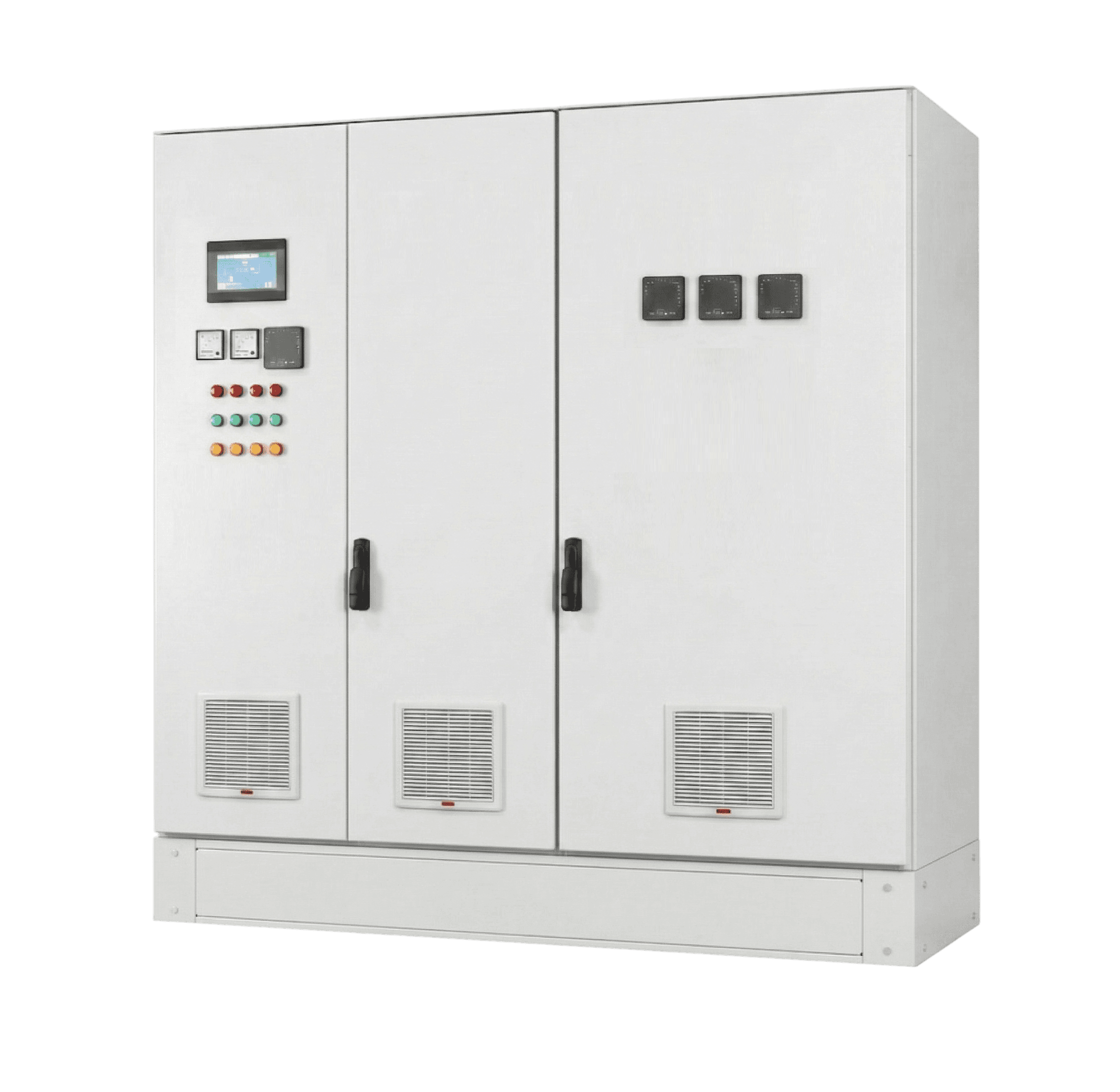
Industrial UPS
LEON-A Series
Industrial UPS for control rooms and automation
- Power Range
- 10-500kVA
- DC Bus
- 110 - 384VDC
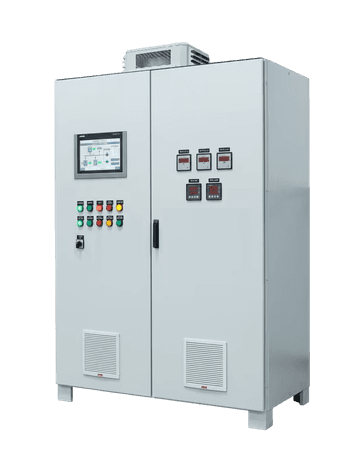
Industrial DC UPS
ESD Series
DC supply for safety instrumentation
- Voltage Range
- 24VDC-600VDC
- Current Range
- 10A to 2000A
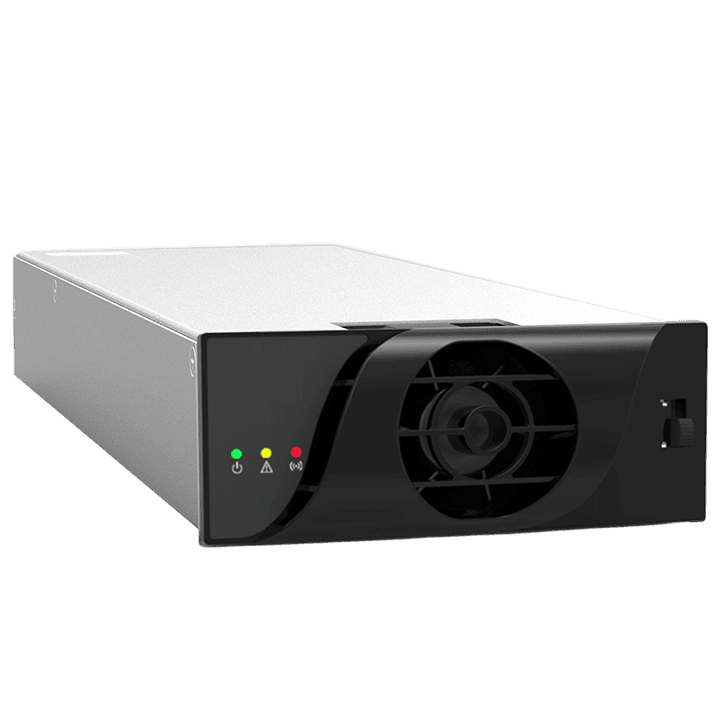
Modular Rectifier
ETR Series (ETR1524)
Modular battery charging, 24 V systems
- Module Power
- 1500W
- Voltage Range
- 21VDC - 30VDC
Modular Rectifier
ETR Series (ETR3048)
Modular battery charging, 48 V systems
- Module Power
- 3000W
- Voltage Range
- 43VDC - 60VDC
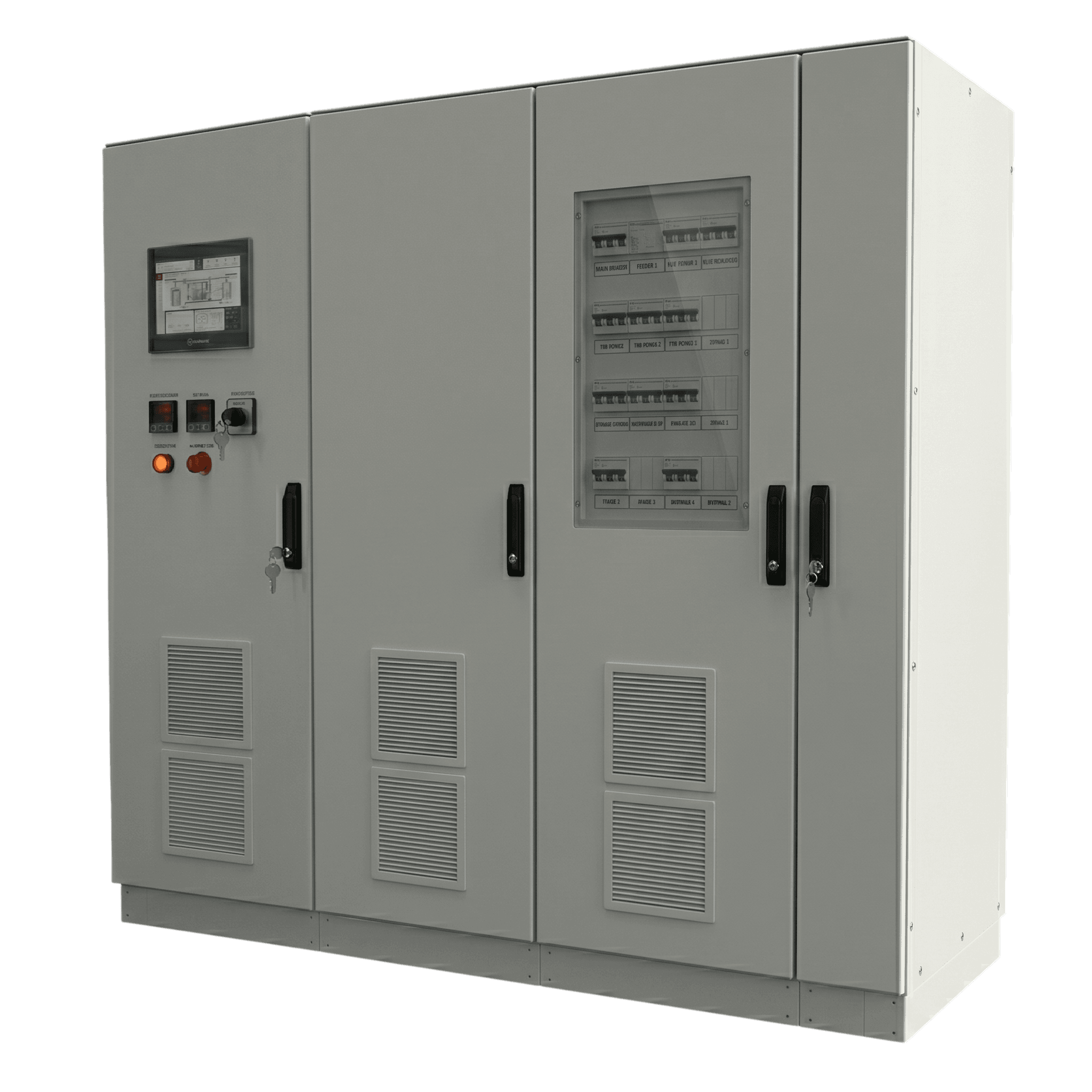
Industrial Inverter
EVR Series
AC from the site DC bus
- Voltage Range
- 24VDC-600VDC
- Power Range
- 1kVA to 500kVA
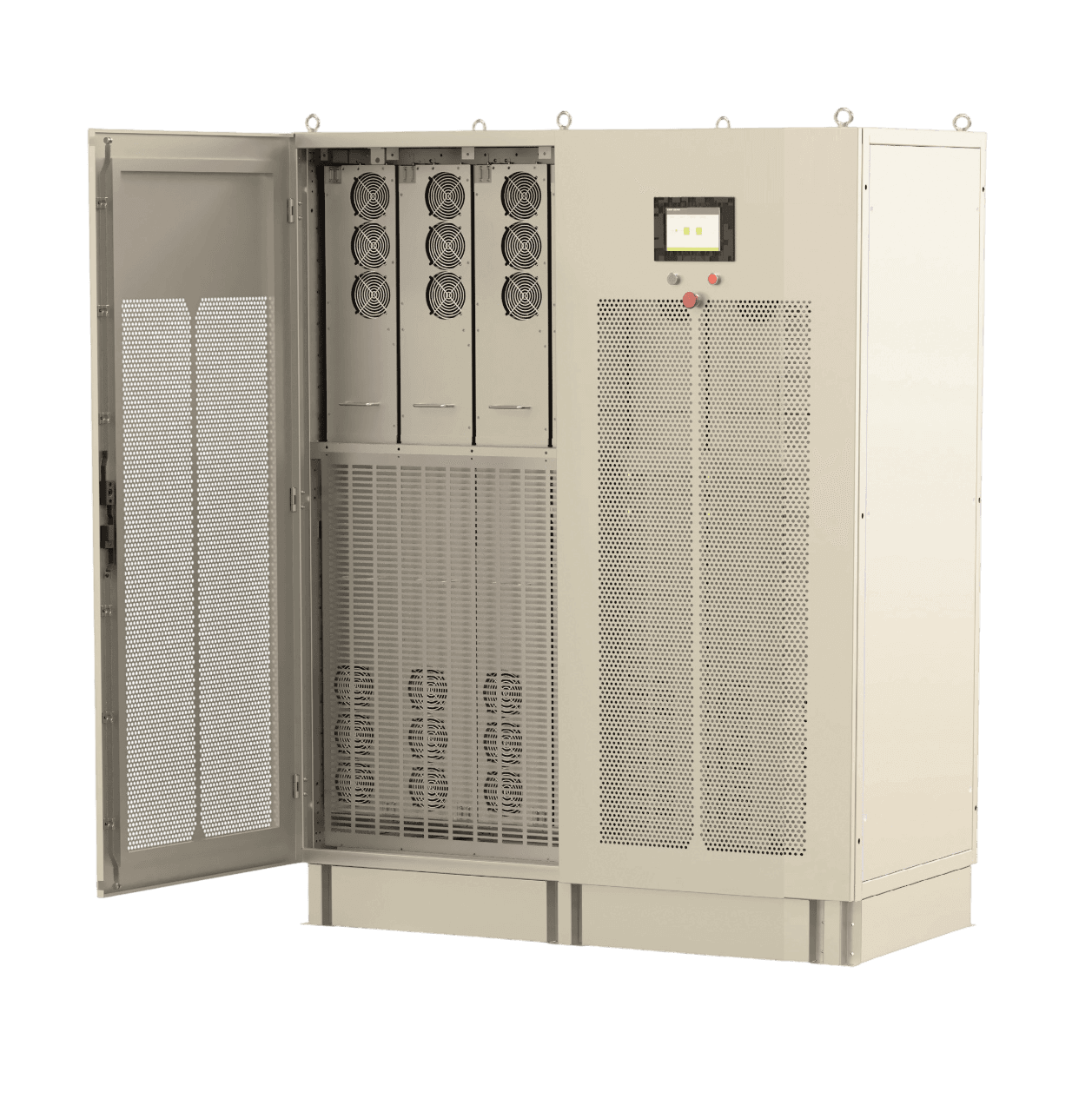
Frequency Converter
PROTEUS Series
Frequency conversion for specialised equipment
- Module Power
- Up to 100kVA
- Frequency Options
- 50/60/400Hz
SPECIFYING A SYSTEM
What to tell us.
The fastest route to a specification is the operating picture. These are the questions our engineers work through with you.
- Which loads must remain live, and for how long?
- What is the supply quality at the point of connection?
- What is the operating temperature range at the installation?
- What redundancy target applies to this part of the site?
- Which control, safety and communication systems sit behind the same supply?
Further reading
Oil and Gas UPS: Powering Instrumentation and Control
In oil and gas the power system exists so that the control and safety systems keep answering. What actually has to stay live, why instrumentation runs on a 24V or 48V DC bus, and how to specify it so that bids compare.
Galvanic Isolation in UPS Systems, and Why Industrial Sites Need It
Galvanic isolation puts a transformer winding between a UPS input and its output so that no conductive path remains between them. Here is what that buys on an industrial site, why many modern UPS designs deliberately leave it out, and how to confirm which paths in a machine are actually isolated.
How to Size a UPS: Load, Power Factor and Headroom
A repeatable method for sizing an uninterruptible power supply: load inventory first, then kVA against kW, then inrush and derating, then runtime as its own calculation — with the real cost of oversizing and the information a supplier needs to quote.
When to Replace UPS Batteries: The Warning Signs
The battery is the only part of a UPS that wears out by design. Here are the signals that a string is approaching the end of its useful life, and how to act on them before an outage does it for you.
Oil and gas power questions
Which ENCLOVE systems are used on offshore platforms and in refineries?
What does the power system have to protect on an oil and gas site?
How is each system specified?
What happens when the primary supply fails?
Other sectors we power
NEED SOMETHING SPECIFIC
Can't Find Exactly WhatYou Are Looking For?
Our engineering team specialises in bespoke power solutions. Share your requirements and we'll design a system built precisely for your application.