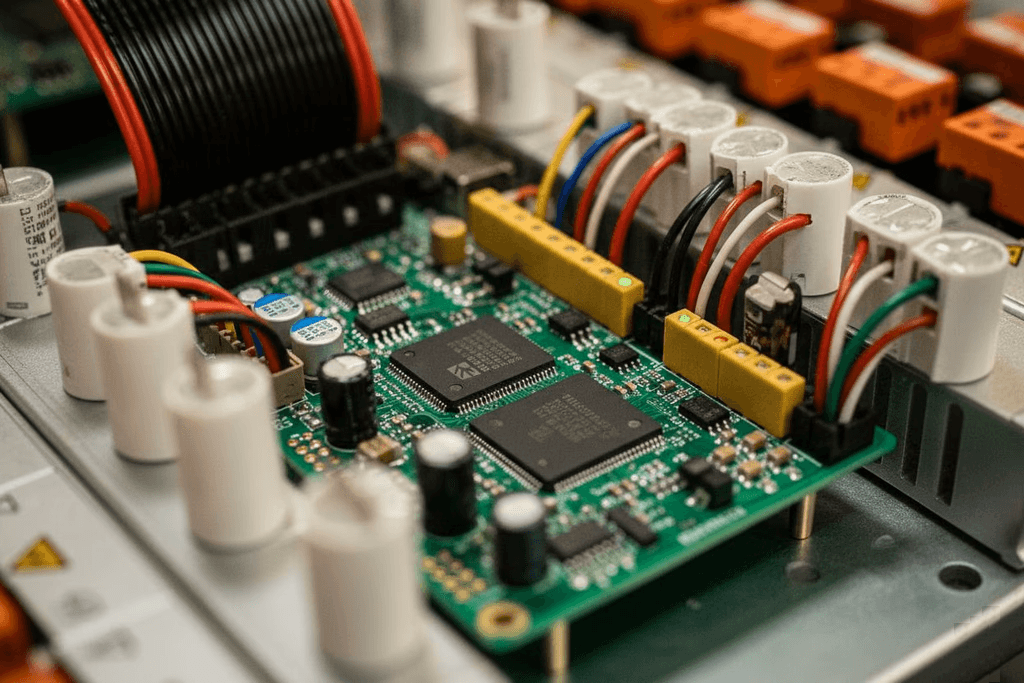
Technology Explained
How the equipment works, and why the design choices inside it change what you can expect from it once it is installed.
 Technology Explained
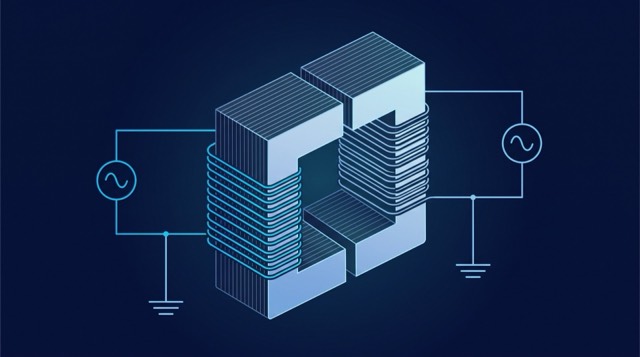
Galvanic Isolation in UPS Systems, and Why Industrial Sites Need It
Galvanic isolation puts a transformer winding between a UPS input and its output so that no conductive path remains between them. Here is what that buys on an industrial site, why many modern UPS designs deliberately leave it out, and how to confirm which paths in a machine are actually isolated.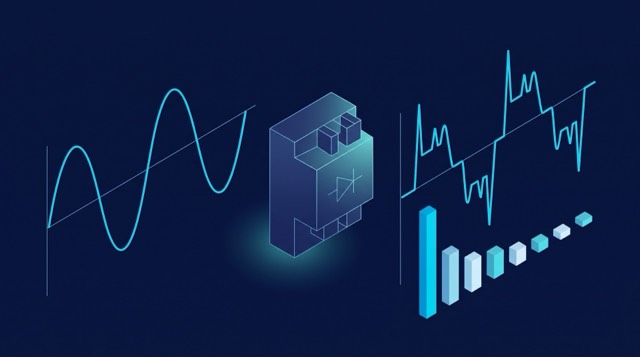 Technology Explained
Harmonic Distortion and Why the Rectifier Front End Matters
The rectifier is the part of a UPS or converter that faces the supply, and its design decides what the installation does to the upstream network. What input current harmonics are, what they cost in transformer heating, neutral current and generator instability, and how to specify a front end so competing quotes describe the same machine.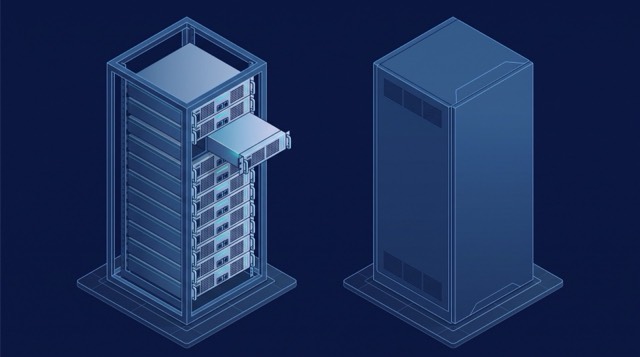 Technology Explained
Modular vs Monolithic UPS: What Scalability Buys
A modular architecture changes the capital profile, the repair time and the floor plan of a UPS installation — and leaves several single points of failure exactly where they were. How to tell the two apart before you order.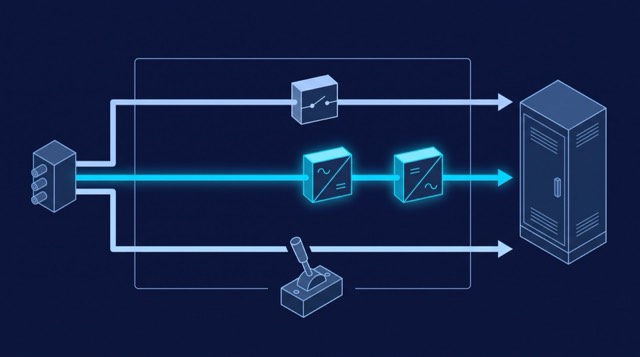 Technology Explained
Static Bypass and Maintenance Bypass in a UPS
Two paths with confusingly similar names. One is an automatic, solid-state protective feature the UPS operates by itself; the other is a manual arrangement that runs the load on raw mains by design. What each covers, what neither covers, and how to specify both.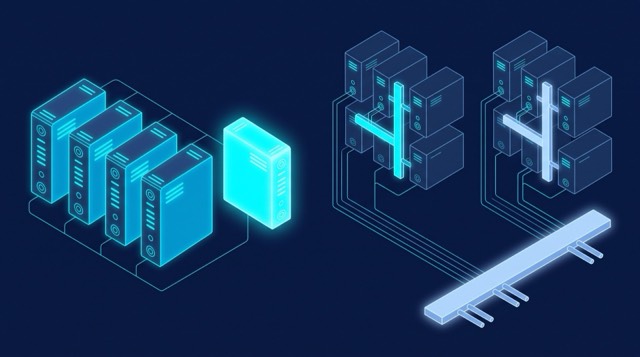 Technology Explained
UPS Redundancy Explained: N+1, 2N and 2N+1
N+1, 2N and 2N+1 are notation, not ratings. What each one actually buys, why being maintainable and being fault-tolerant are different properties, and where the single path survives inside a design everyone calls redundant.NEED SOMETHING SPECIFIC
Can't Find Exactly WhatYou Are Looking For?
Our engineering team specialises in bespoke power solutions. Share your requirements and we'll design a system built precisely for your application.